

Alexandria, Virginia has always had a close relationship with those who serve. As the adopted hometown of George Washington and a city shaped by nearly three centuries of American military history, Alexandria’s connection to the armed forces runs deep, from the Civil War fortifications at Fort Ward to the veterans, active-duty servicemembers and military families who call the city home today.
That history is still alive here, written into the streets, the historic sites and the stories of the people who live and work in Alexandria. And increasingly, it’s visible in the city’s independent business community, where veteran owners are bringing the same purpose and commitment to their craft that they brought to their service.
Whether you’re a veteran looking for a city that feels like home, a military family planning a visit or simply someone who wants to spend their dollars intentionally, Alexandria welcomes you.

Veteran-Owned Businesses in Alexandria, VA





Alexandria’s Military History
Alexandria’s ties to the military stretch back nearly 300 years, from the Revolutionary era to the defense installations that define the region today.
A Colonial Military Hub
Alexandria was George Washington’s hometown and a staging ground for the Revolutionary War. As a prosperous port city on the Potomac, it supplied troops, goods and leadership to the colonial cause. Gadsby’s Tavern Museum, where Washington celebrated his Birthnight Ball and the tavern served as a center of political and social life in the young nation, remains one of the best places to feel that history firsthand..
Mount Vernon
Just a few miles south, Washington’s estate at Mount Vernon offers a deeper look at the man behind the military legend, his years of service, his leadership and his legacy on the banks of the Potomac.
The Civil War
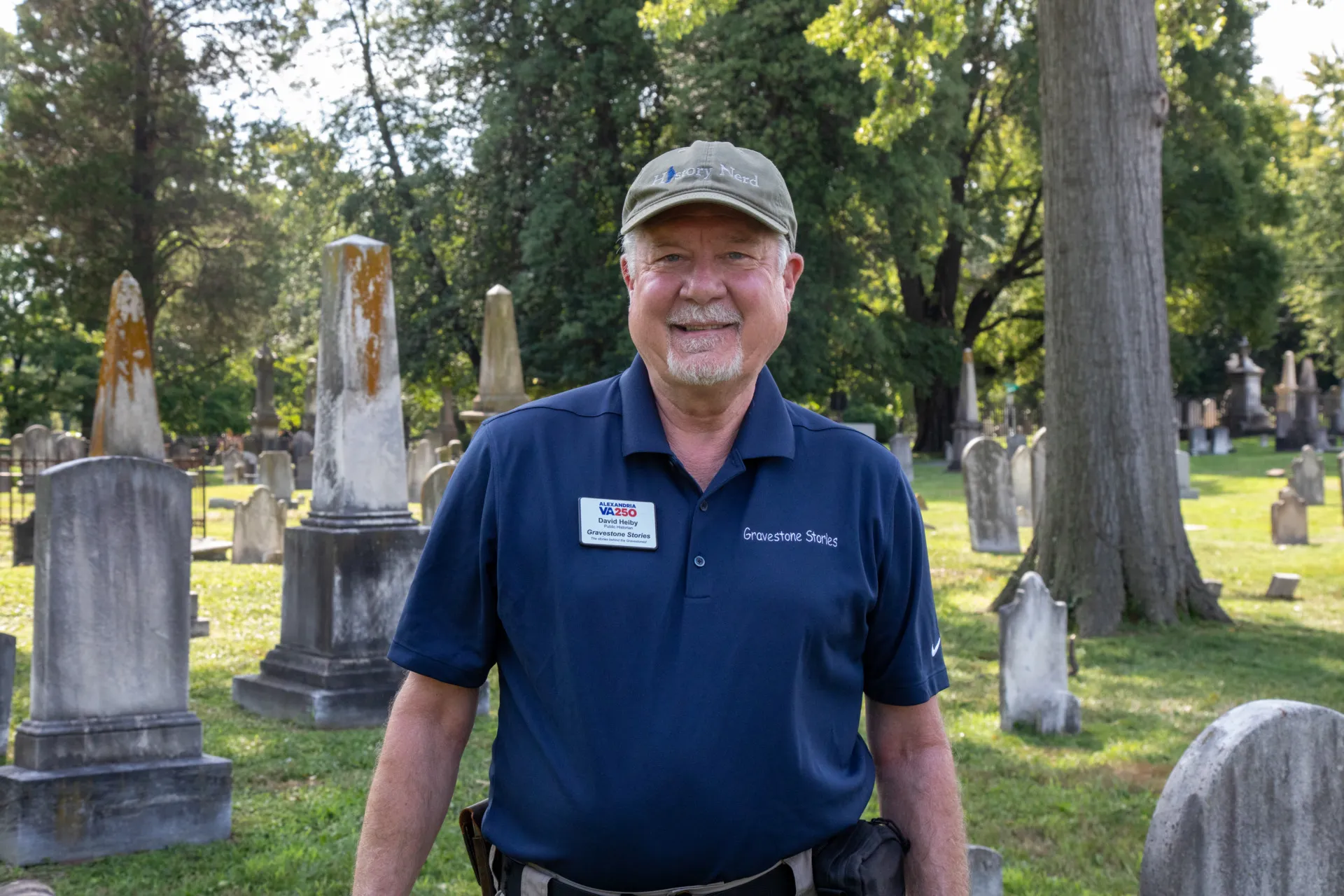
Alexandria was occupied by Union forces just days after Virginia seceded in 1861, making it one of the first Southern cities under federal control. Fort Ward Museum & Historic Site, the best-preserved of the Union forts that made up the Civil War Defenses of Washington, tells that story on the very ground where it happened. The Old Presbyterian Meeting House, where Revolutionary War patriots and Civil War soldiers are buried in the churchyard, is another powerful stop. Public historian David Heiby, of Gravestone Stories, has spent years documenting the people buried there, giving names and narratives back to those history nearly forgot.
Refuge and Resistance
Black history is at the center of Alexandria’s Civil War story. When Union troops occupied Alexandria in 1861, the city became a destination for enslaved people escaping Confederate-held areas across Virginia, making it a significant site of refuge and resistance. Freedom House Museum, a National Historic Landmark that was once a large complex dedicated to trafficking thousands of Black men, women and children between 1828 and 1861, now honors that history, and the African American Heritage Trails connect these stories of service and sacrifice across the city.
Honoring the U.S. Colored Troops
Alexandria National Cemetery, founded in 1862 as the “Soldiers’ Cemetery”, was among the first Civil War cemeteries in the national system, yet African American soldiers who died in the city were initially buried elsewhere, first at Penny Hill and then Freedmen’s Cemetery, where roughly 1,700 freed people, including Black Union soldiers, were laid to rest. Beginning in late December 1864, these men of the United States Colored Troops were finally interred at the Soldiers’ Cemetery itself, in a segregated section at its southern edge. Their graves stand as a lasting testament to the courage of African American soldiers and the freed community that helped transform Alexandria — and the nation — during the Civil War.
The Potomac River and the Port
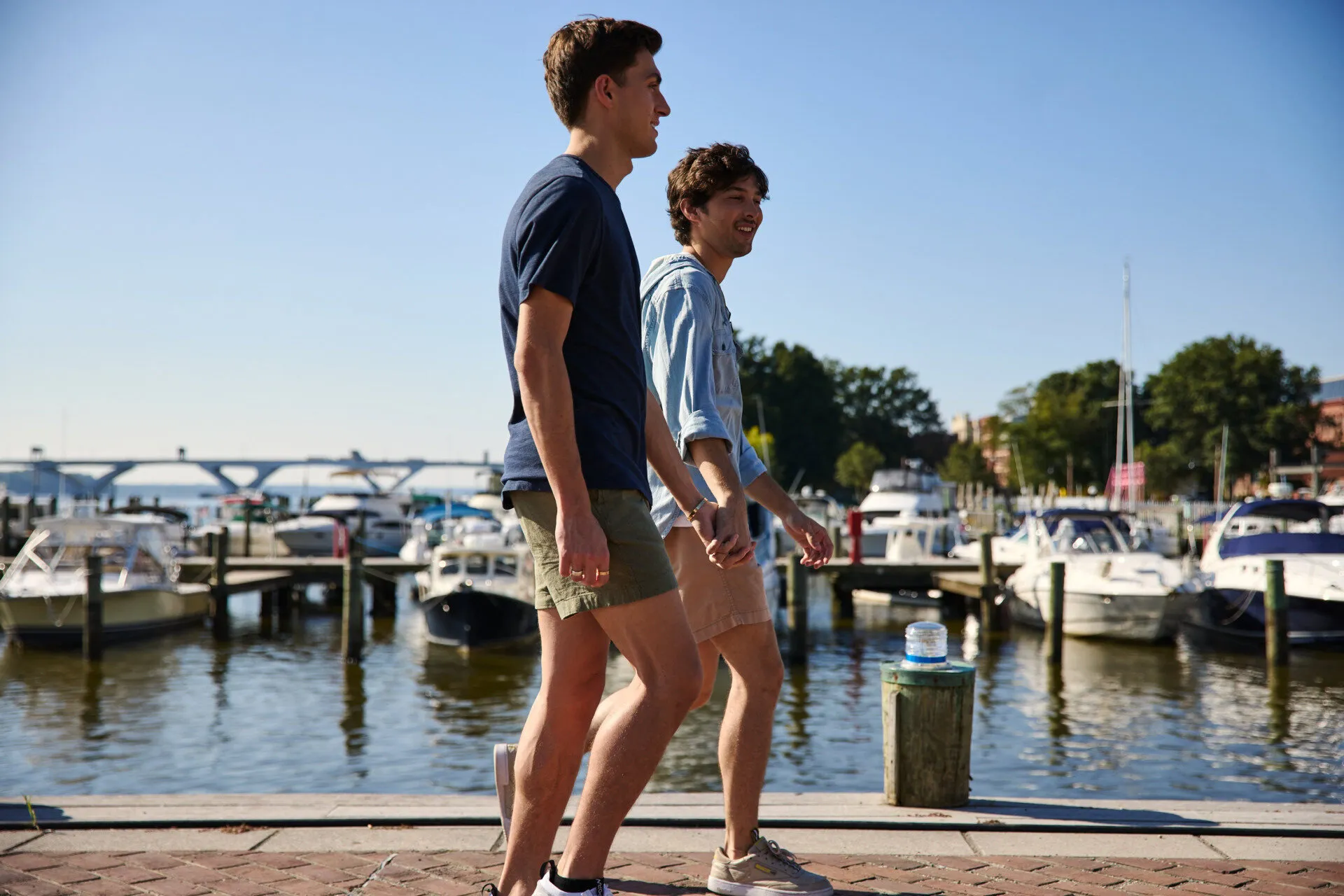
Alexandria’s waterfront wasn’t just scenic, it was strategic. The Potomac River made the city a critical supply and transport route through multiple conflicts, and the port’s role in American military history is woven into the city’s oldest streets.
Modern Military Presence
Alexandria sits at the center of the national defense community. Just across the Potomac from Washington, D.C., the city is within close proximity to the Pentagon, Fort Belvoir and Joint Base Myer-Henderson Hall. The city remains home to many veterans, active-duty military, military families and the veteran and military associations that serve them.