If These Walls Could Talk

Discover the hidden histories and enduring legacies woven into Alexandria’s architectural treasures.

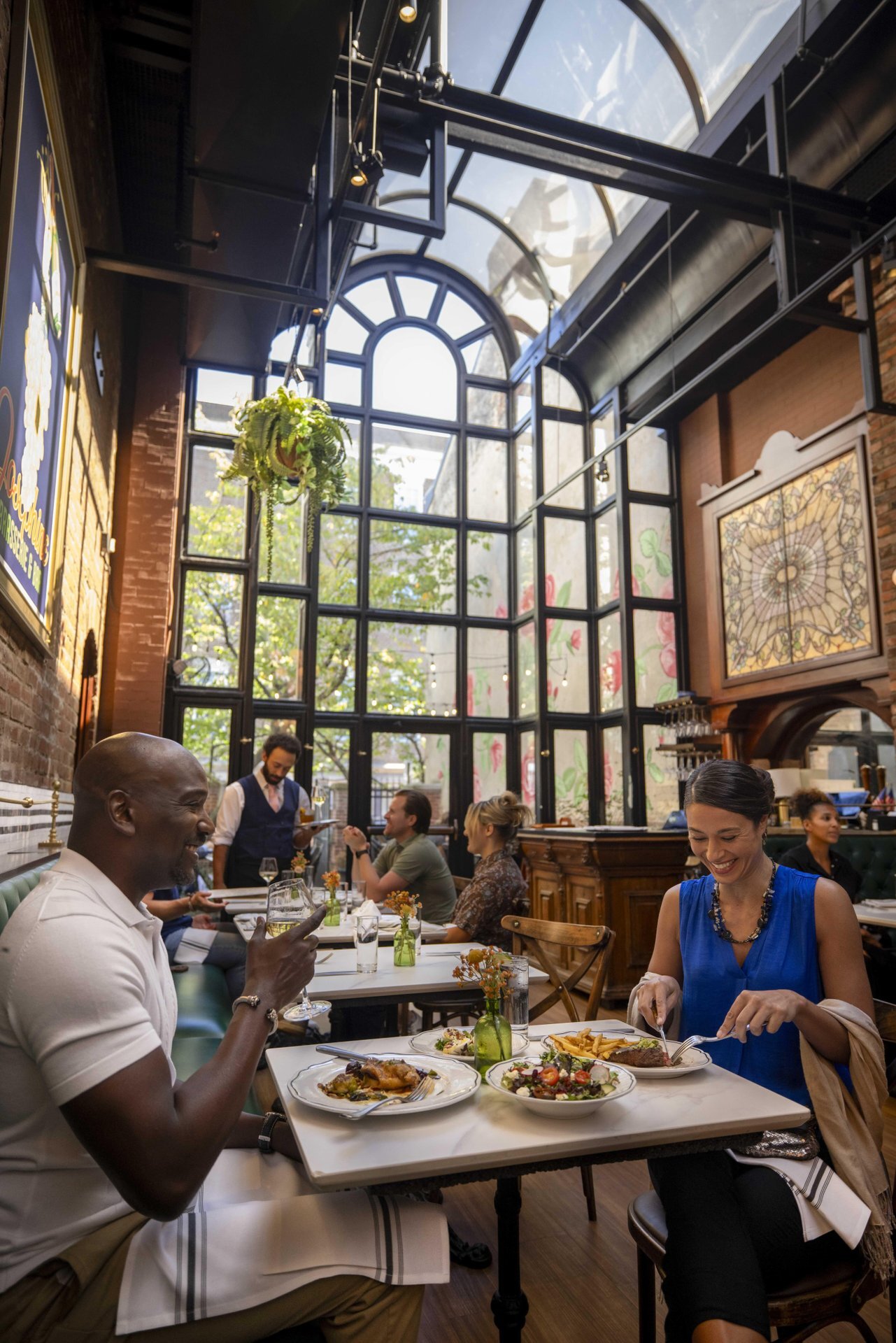
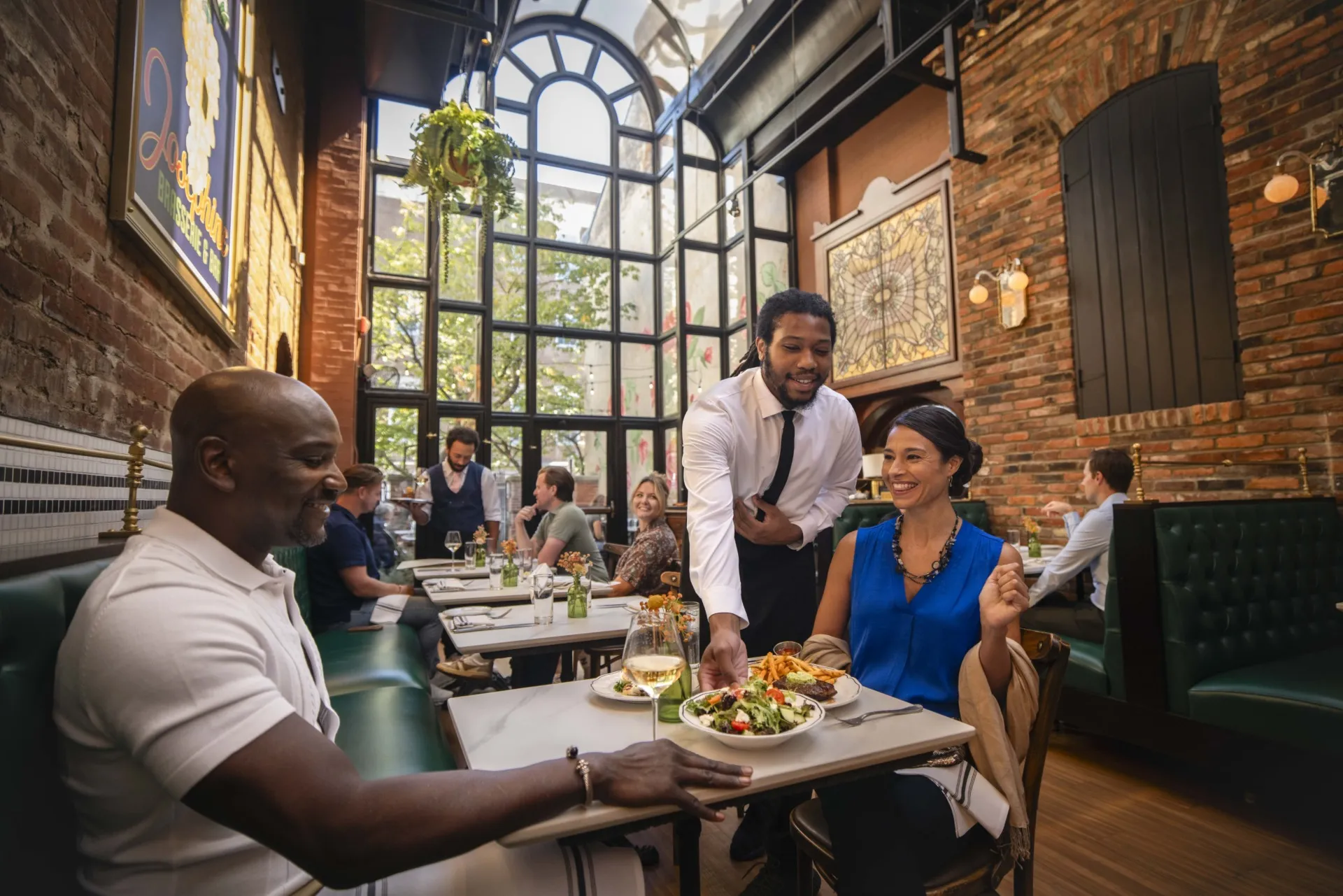
Waiter serving a couple at Josephine Brasserie & Bar in Alexandria.

Pictured: Dining at Josephine; Image Credit: Tibor Nemeth for Visit Alexandria.

I

If Alexandria’s walls could talk, they would whisper and unlock stories dating from the Colonial era through the Civil War, World War II, the Civil Rights movement and today. They would reveal generations of courage from Alexandrians, including civil rights and LGBTQ+ trailblazers and independent business owners. They would tell tales of the daily lives of Alexandrians and unveil the roots of the town’s cherished landmarks, keeping history alive. Explore these treasured attractions and small businesses across Alexandria, which bear witness to the city’s evolving history and have been carefully preserved and transformed into the thriving places you see today. 

Josephine

Pictured: Dining at Josephine; Image Credit: Tibor Nemeth for Visit Alexandria.

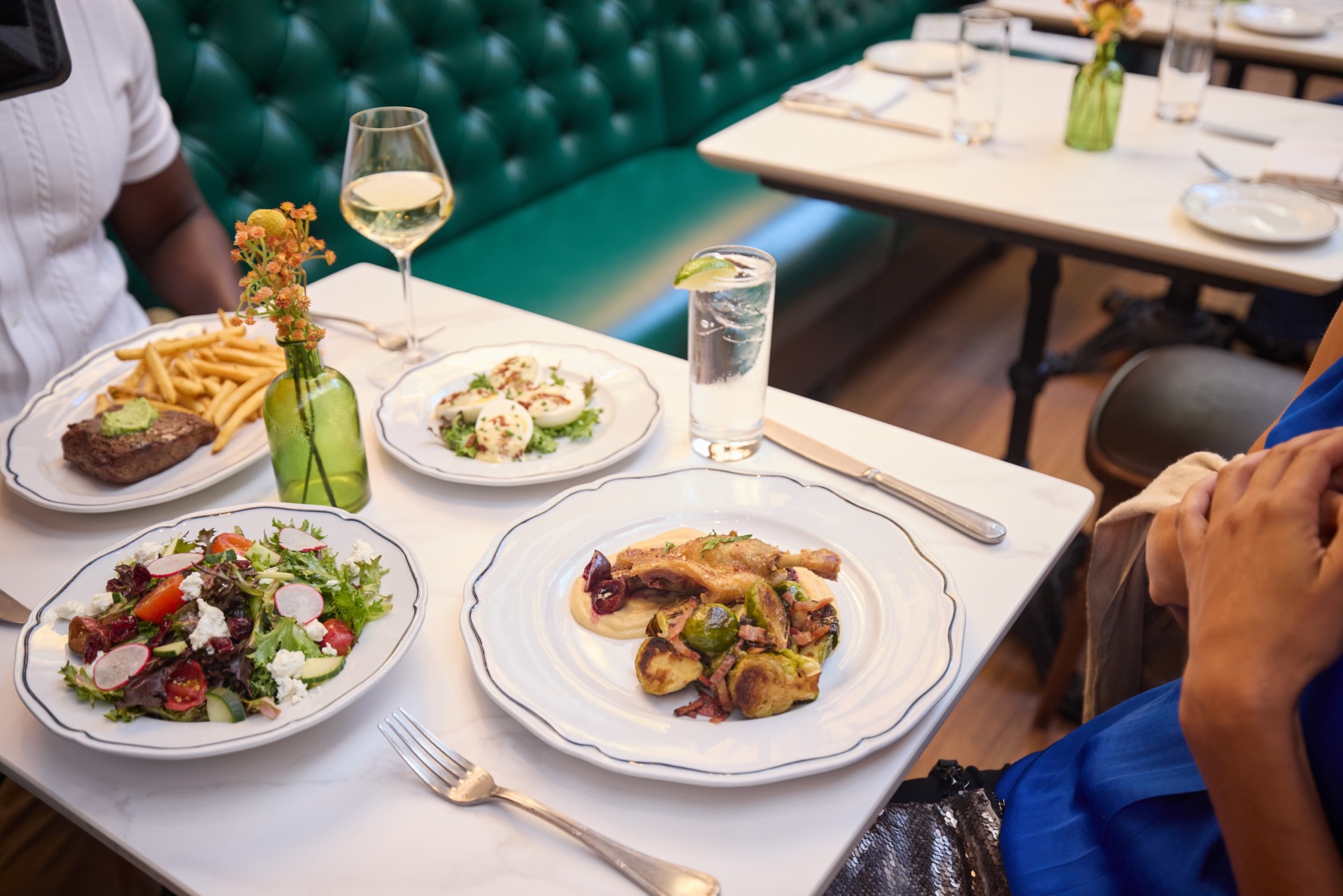
Dining within the walls of a former 1800s-era firehouse at Josephine Brasserie & Bar in Old Town Alexandria is a transportive experience that takes your taste buds on a journey through historic Alexandria with century-old French flavors. The restaurant is managed by The Neighborhood Restaurant Group, which carefully preserved the building and transformed it into a refined multi-level Parisian dining space embellished with antique millwork and vintage pendant lights that once hung in the Paris Metro. The building’s red-brick exterior and arched entryway are reflective of 1800s Romanesque design, reminding us of a time when the doorway once housed the Columbia Steam Engine Fire Company. This company was a historic firefighting unit established in 1871, following the City of Alexandria’s acquisition of a second steam fire engine. Today, it serves as the doorway to Josephine, welcoming hungry passersby to savor the flavors of classic French dishes such as steak au poivre, beef bourguignon, and pâté de campagne in an enchanting, multilevel fine-dining restaurant.  

Josephine features several distinct dining rooms, each carefully repurposed, for a unique dining experience. One of the main dining rooms is a brightly lit atrium. A vaulted skylight cascades over the dining room, making it an irresistible sight among savory French bites. Throughout its interior, you’ll find colored stained glass, adding a timeless touch as you sip elegant wines. A chandelier from New York City’s old Commodore hotel lights up your path. Journey to the third floor and you’ll find a beautifully ornate cozy lounge, fireplace, and a hidden champagne bar. Step into a relaxing dining experience in one of their upstairs dining rooms, spacious salon, or outdoor courtyard. Josephine offers an evocative dining experience and expertly crafted cuisine that honors French history with a modernized twist. The former firehouse is a recognized piece of Alexandria’s architectural history, representing the shift from volunteer, hand-drawn equipment to mechanized firefighting, and eventually a place celebrating culture and fine dining.
Torpedo Factory Art Center 

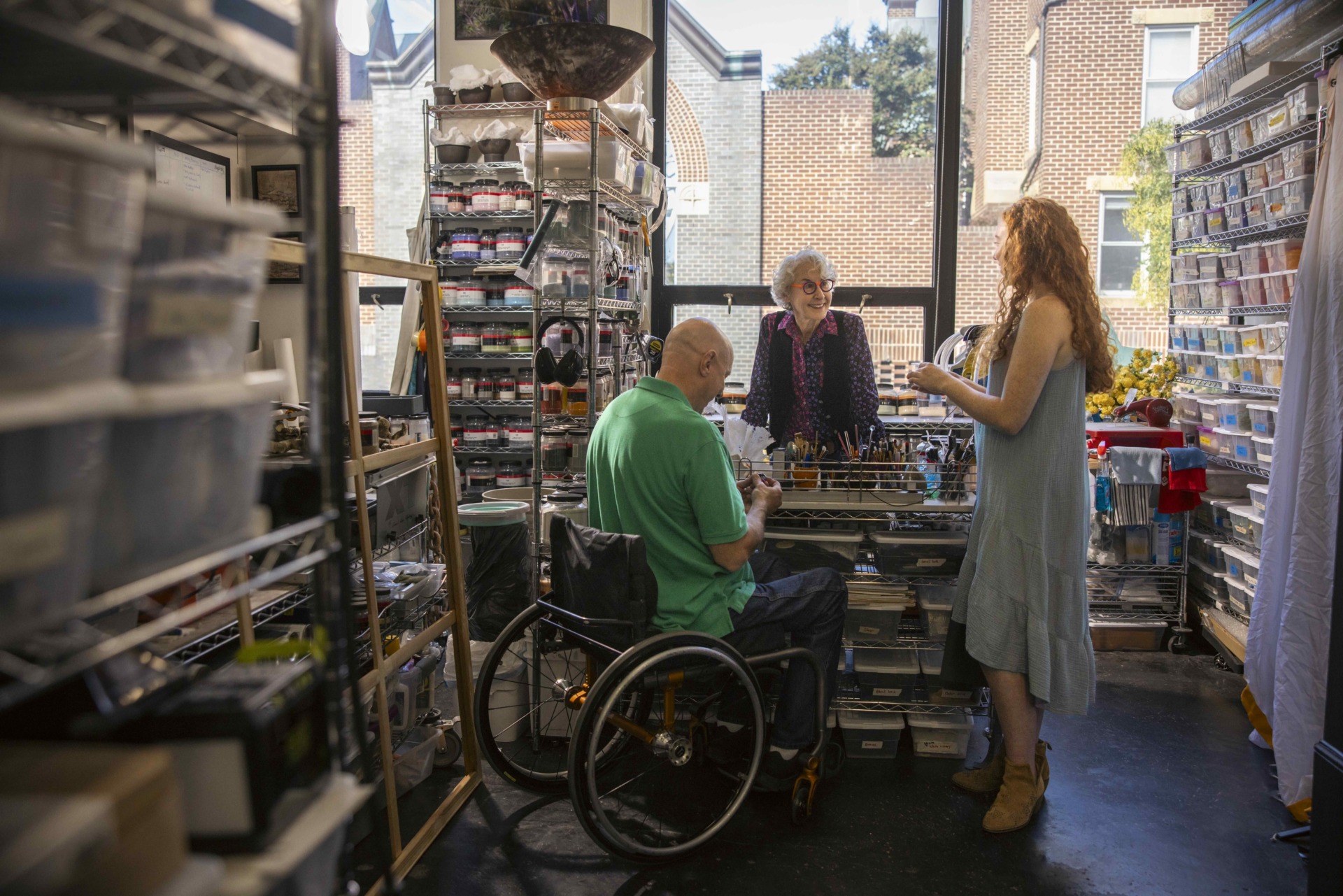
Pictured: Visitors exploring artist studios at the Torpedo Factory Art Center; Image Credit: Tibor Nemeth for Visit Alexandria.

The Torpedo Factory Art Center, now home to the nation’s largest collection of publicly accessible artist studios under one roof, has lived many lives before becoming a cultural landmark and soughtafter event space on Alexandria’s waterfront. Originally built in 1918, the building once echoed with the production of Mark III torpedoes and the daily routines of naval munitions workers. It was not fully completed until World War II, and by 1950 the Korean War prompted the Pentagon to use the structure for congressional document storage. Soon after, it became the Federal Records Center in Alexandria and housed an extraordinary range of materials, including World War II U.S. Army and Air Corps files, German and Italian military documents, North Korean intelligence records, dinosaur bones, German war films, and the famous records of the Nuremberg war crimes trials. As the decades passed, the building fell into disrepair, eventually standing abandoned as children wandered through its dusty halls and discovered empty manila envelopes stamped “Secret” and “Top Secret.” One of those children, Lisa Schumaier, grew up to become an artist in the building and now creates playful ceramic sculptures in her studio. 

With the help of Alexandrians and dedicated artists, the former factory was transformed in 1974 into the flourishing arts center it is today. Managed by the City of Alexandria’s Office of the Arts, the Torpedo Factory now features 82 studios, ten galleries, and 150 juried artists working in a wide range of mediums. It also is also home to The Art League’s premier school and gallery and the Alexandria Archaeology Museum Its artfilled public spaces also provide a unique, industrial backdrop for receptions, weddings, parties, meetings, lectures, and performances. Located in the heart of Old Town Alexandria, the building is a popular venue where guests are surrounded by oneofakind artwork, and its interior spaces can be rented for private events during evening hours. The oncesilent corridors that held torpedoes and confidential files now hum with creativity, celebration, and community, making the Torpedo Factory Art Center a mustsee destination on the waterfront. 

Swing’s Coffee  


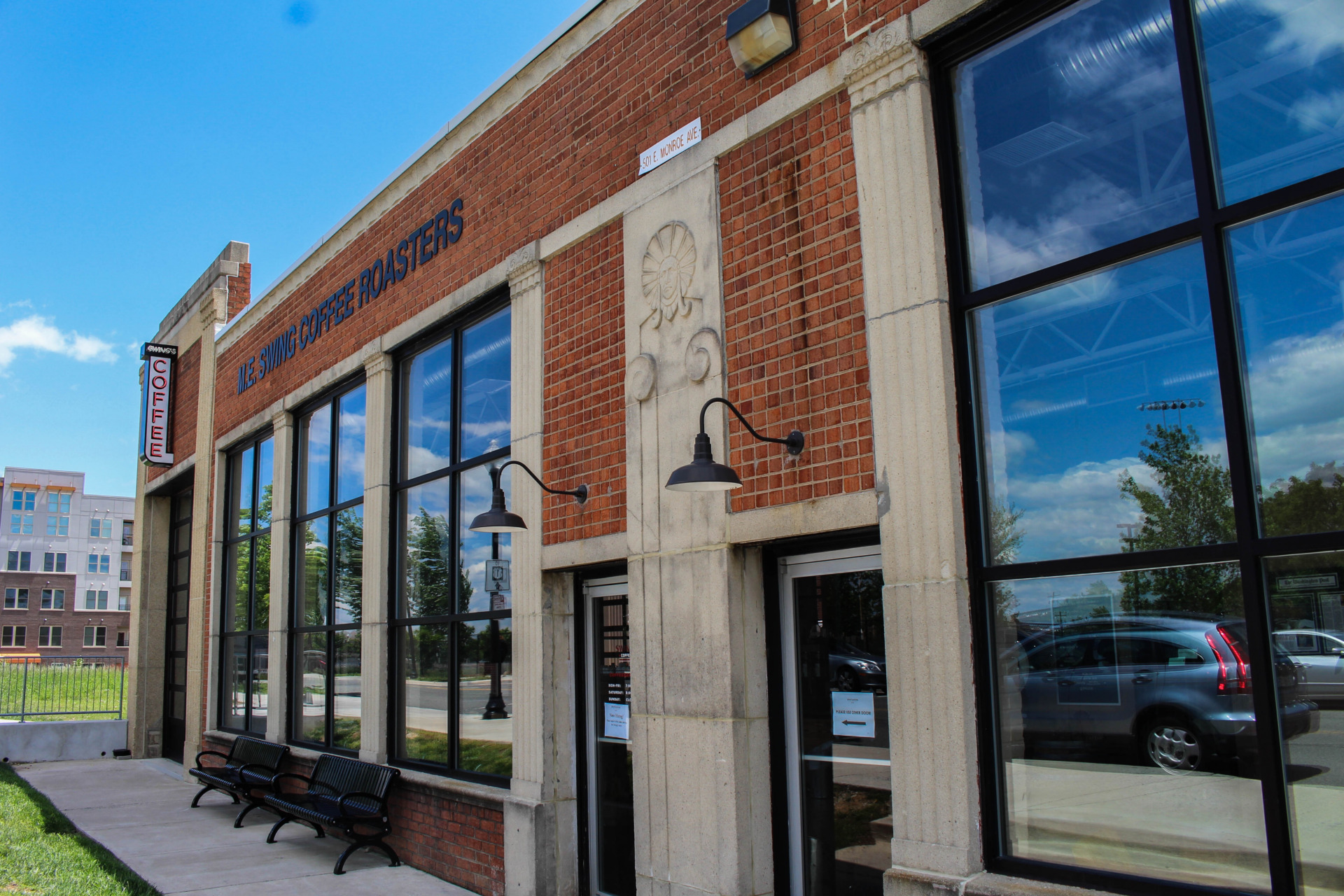
Pictured: Swing’s Coffee; Image Credit: Sara Stanton for Visit Alexandria.

As you walk into Swing’s Coffee, you may notice a stone pillar right above the front entrance. Carved within the building’s walls is the visage of a Native American, standing boldly in traditional garments. The sand-colored pillars and geometric lines are indicative of classic Art Deco, luring passersby with ornate art and a lingering scent of coffee that leads indoors.    

The scent of freshly ground coffee beans wafts through the air as you wander inside. Expert roasters are busily churning fresh beans, providing freshly ground coffee for visitors to sip and savor. Housed within the walls of a warehouse-style building is the Swing’s roasting facility and the Del Ray coffee bar, which offers single-origin pour-over coffee, espresso, cold-brewed iced coffee, and nitro coffee on tap. Peruse their fine selection with a coffee cup that matches your personal taste. Since 1916, Swing’s Coffee has brought expert craftsmanship to its smooth, rich, and flavorful coffee, sourcing high-quality beans from farms across Central and South America, Africa, and beyond, bringing them to the heart of Del Ray.  

Athenaeum  

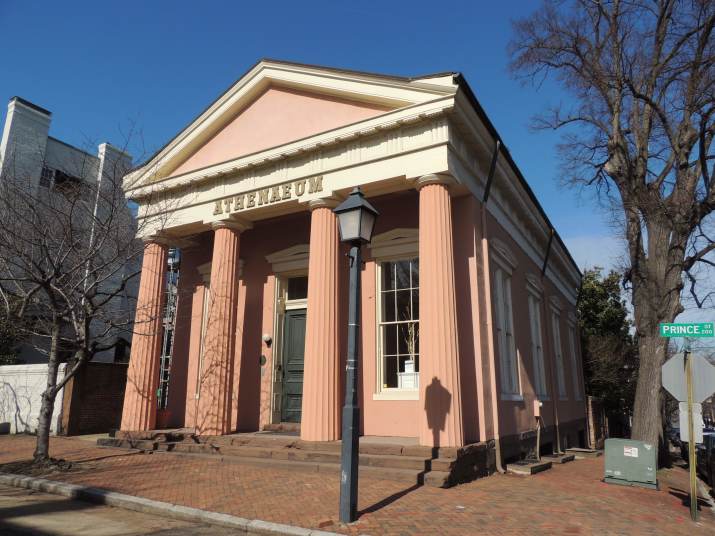
A historic, pink-colored building with tall columns and a triangular pediment labeled ATHENAEUM, standing at a street corner on a sunny day, with bare trees and a street sign visible nearby.

The Athenaeum is one of two surviving examples of Greek revival neo-classic architecture in historic Alexandria. Originally built in 1851, it was built to house the Bank of the Old Dominion. During the Civil War occupation of Alexandria, Federal troops quartered in the building, using it as the Union Army’s Commissary Headquarters. After the Battle of Bull Run/First Manassas, the building served as a triage facility for wounded Union soldiers. In 1907, the Stabler-Leadbeater Apothecary Shop used it as a factory. It is listed in both the Virginia Trust and the National Register of Historic Places.   

Today, its elegant rooms and 24-foot-high, covered ceilings host the minds of Alexandria’s creatives through their galleries and a range of exhibitions in a variety of artistic media, including concerts, dance performances, literary events, and poetry slams. Its bespoke gallery venue is ideal for receptions and ceremonies. Classes in yoga and ballet are held upon its gleaming pine floors. The art gallery is home to the Northern Virginia Fine Arts Association (NFVAA), a membership organization dedicated to producing vibrant cultural programming, preserving the historical building, and celebrating regional arts in the DC, Maryland, and Northern Virginia area.   

Cooper Mill  

Spacious rustic bar with exposed brick walls, wooden beams, and garlands of greenery. Long wooden tables and bar seating fill the room, with hanging chandeliers and large windows letting in natural light.
Pictured: Cooper Mill; Image Credit: David Colman for Visit Alexandria.

Located along Alexandria’s calming waterfront, Cooper Mill is a historic building reimagined as a lively pizza tavern and bar and event space. Its name pays homage to its former life as part of the Alexandria Flour Company, where large flour barrels were once stored. Before its milling days, the building served as a mess hall and commissary for Union troops during the Civil War. Today, its modern interior still reflects these deep historic roots. Guests can enjoy energetic conversation on the first floor along with a refreshing selection of cocktails and drinks, while the second floor offers a private event space featuring expansive windows that overlook the Potomac River and a rotating art installation area. 

The restoration of Cooper Mill was led by local builder Murray Bonitt and resident Larry Nicholson, who partnered with Alexandria restaurateur Noe Landini. Together, they blended their expertise in historic preservation and hospitality to create a warm gathering place for Old Town locals and visitors. Within a year of opening, Cooper Mill earned numerous honors from both local and national publications and received a distinguished award from the National Trust for Historic Preservation. Today, Cooper Mill stands as an iconic destination that showcases Alexandria’s enduring charm, brought to life through thoughtful restoration and a critically acclaimed dining experience. 

Share Your Story

I

If these walls could talk… we imagine yours might have something to say as well. Have a story hiding in plain sight? Tell us what your walls would say by sharing it through the form linked here—because in Alexandria, every wall holds a story worth preserving.